Laser-assisted treatment helps clean and disinfect root canals, including their delicate and hard-to-reach structures. We use the laser as a supplement to standard endodontic treatment to reduce the number of microorganisms and create suitable conditions for preserving the natural tooth.
This is an endodontic treatment in which a laser complements the mechanical preparation and chemical cleaning of the root canals. It helps reach even the fine structures of the root system that may be difficult for conventional instruments to access.
Laser treatment does not replace standard endodontic treatment. It is an additional tool that allows the dentist to expand the disinfection process.
A dentist may recommend laser treatment for both initial root canal treatment and retreatment. It is used primarily in cases of extensive infection, complex root anatomy, or when we want to enhance disinfection with additional technology.
The doctor determines whether the treatment is appropriate after examining the tooth and evaluating the X-ray.
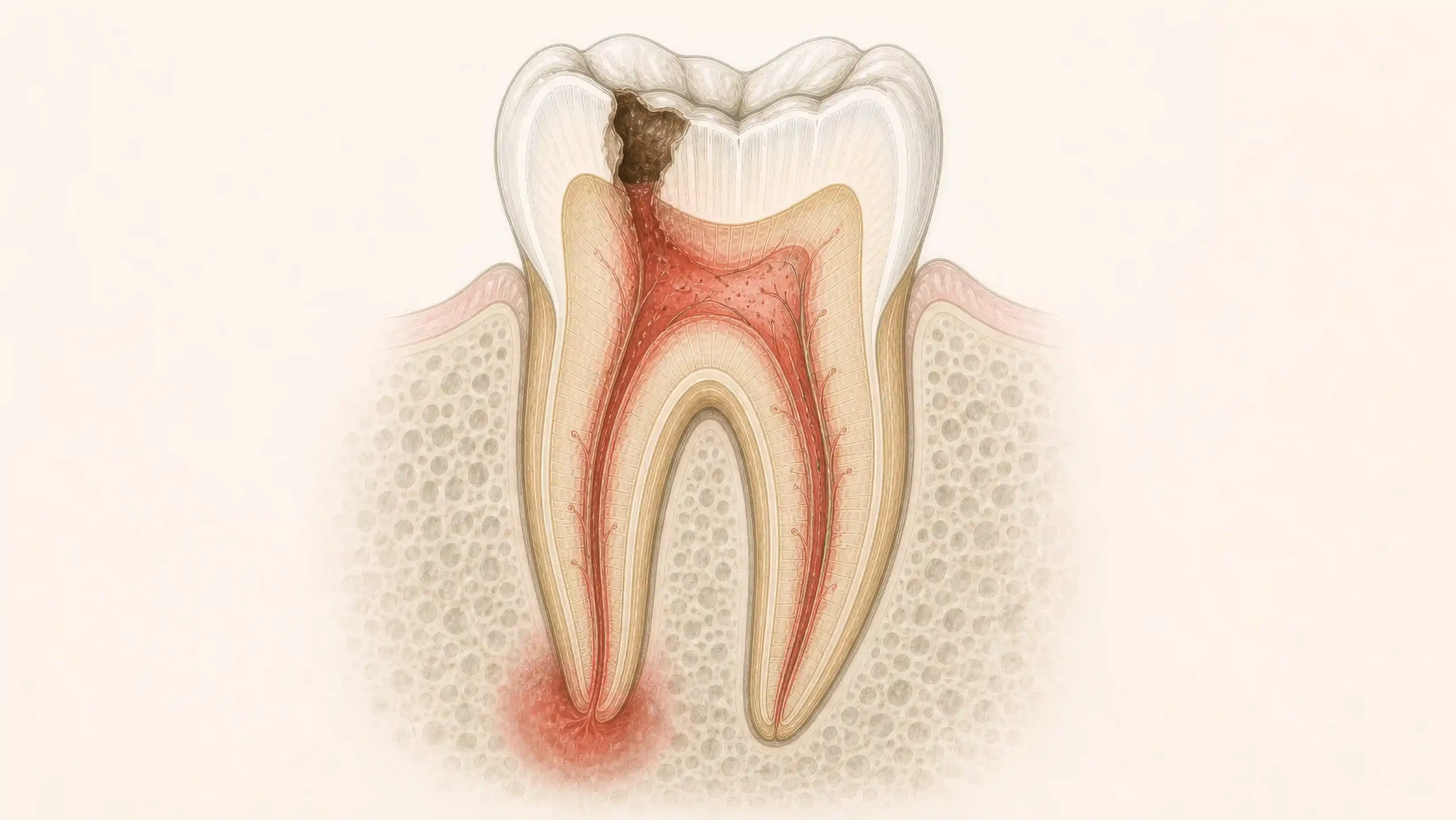
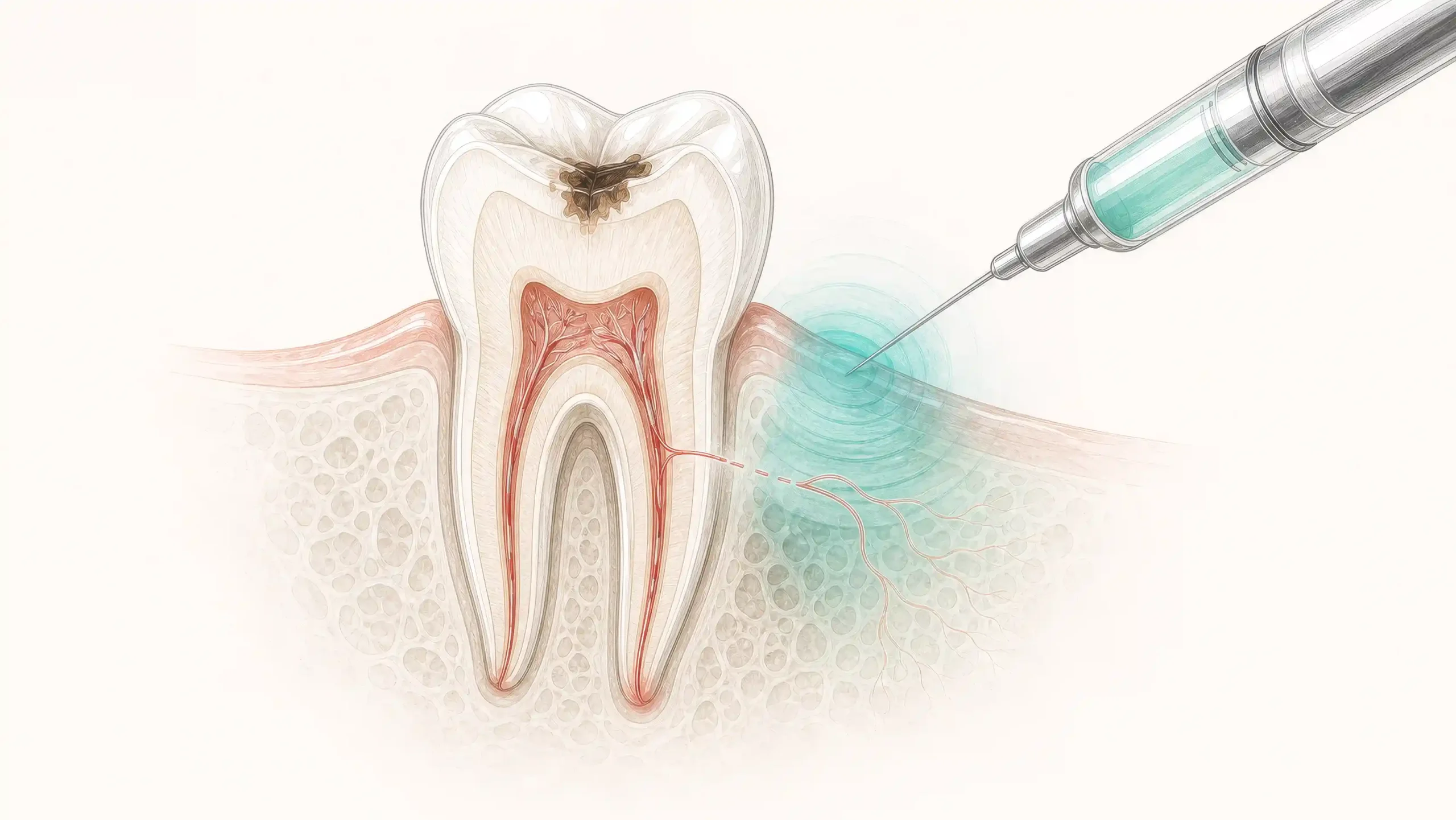
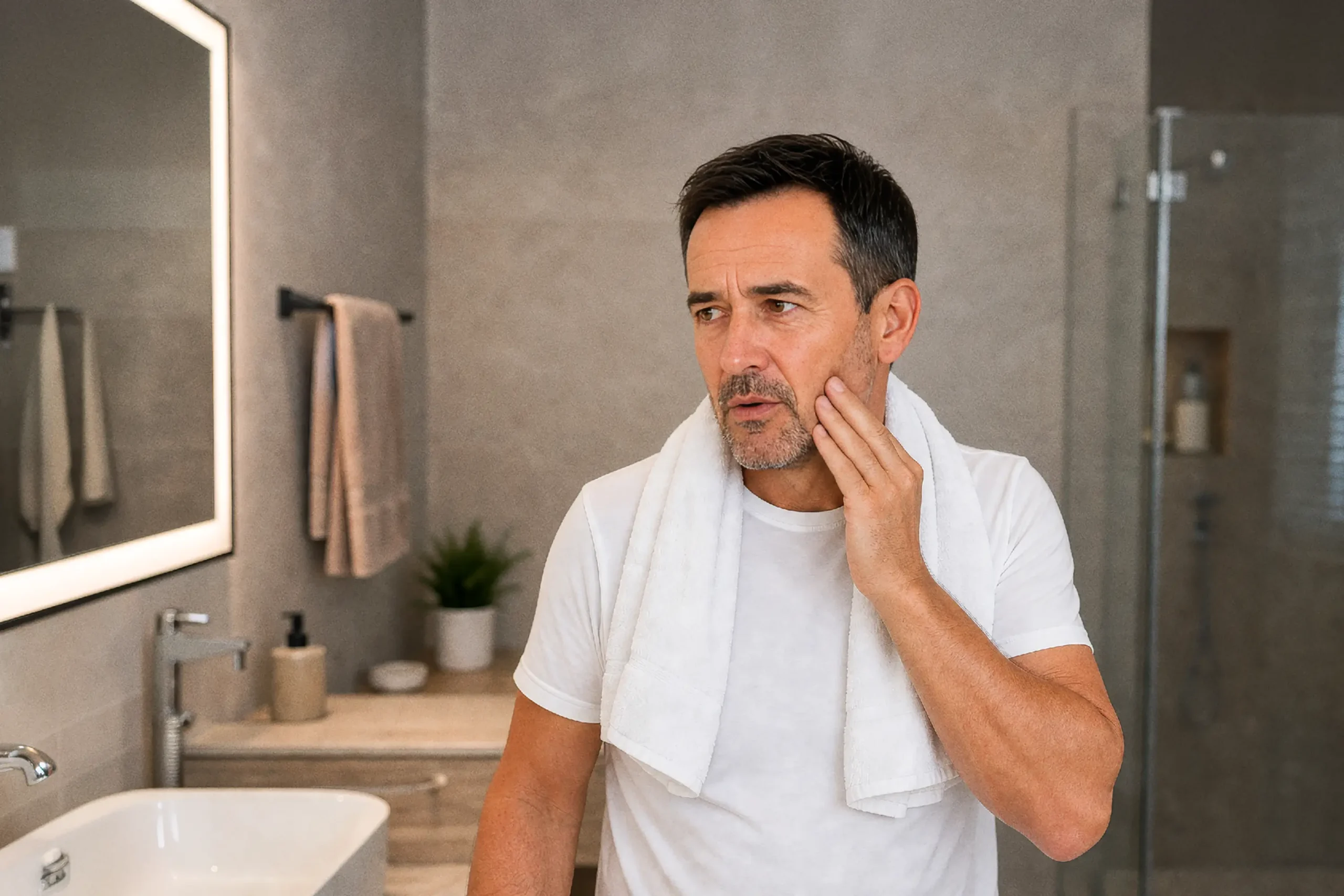
In cases of deep tooth decay, injury, or a leaky filling, bacteria can penetrate the dental pulp and root system. The infection can cause pain, sensitivity, swelling, or inflammation around the root.
The goal of endodontic treatment is to remove the infected tissue, clean and disinfect the root canals, and then fill them tightly.
The root system is not just a single straight canal. It also consists of lateral branches, irregularities, and microscopic structures that mechanical instruments may not be able to reach.
Laser energy aids in the disinfection of these areas and complements the action of cleaning solutions. This treatment thus expands the dentist’s options when working in complex tooth anatomy.
The outcome always depends on the extent of the infection, the anatomy of the roots, and the overall condition of the tooth.
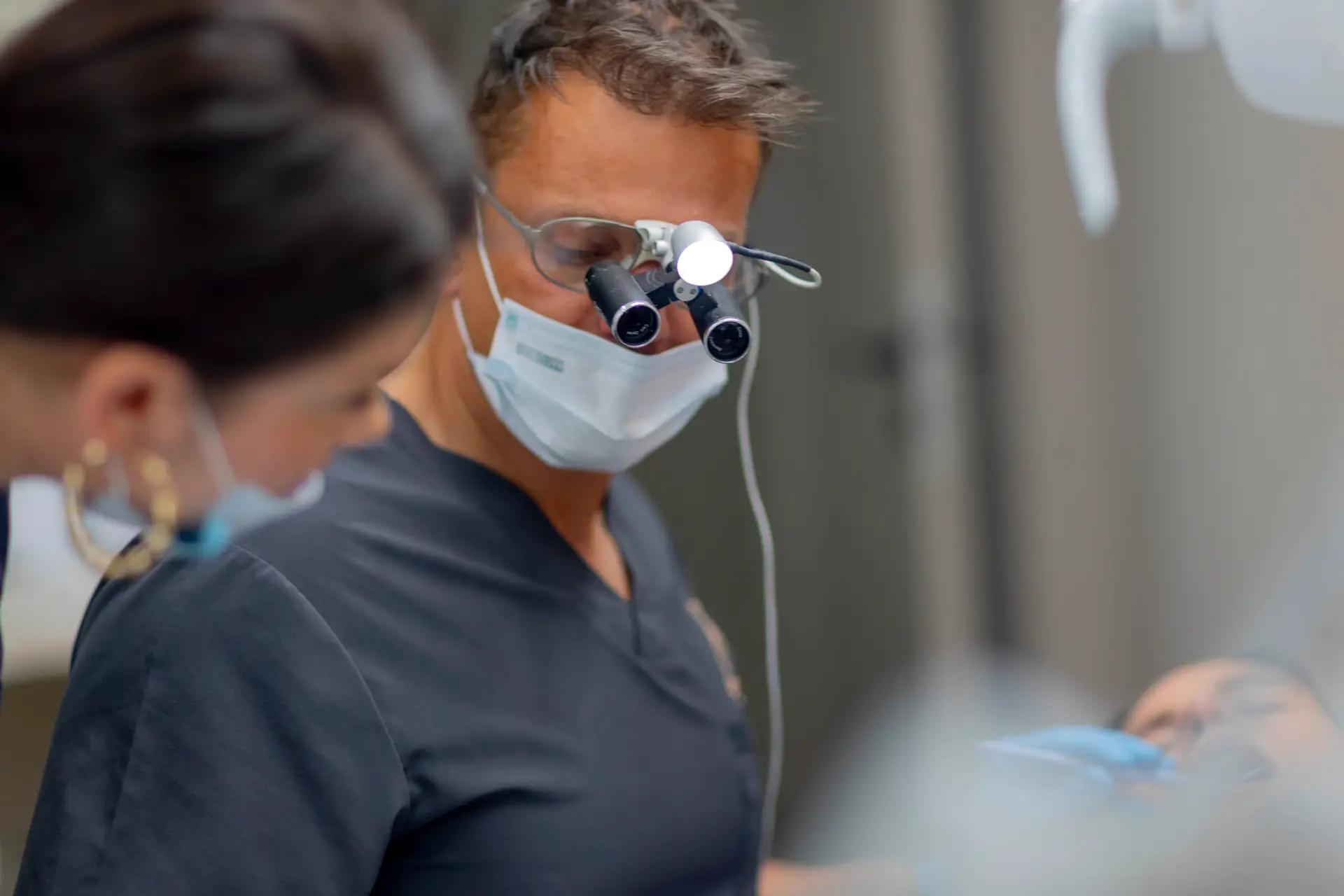
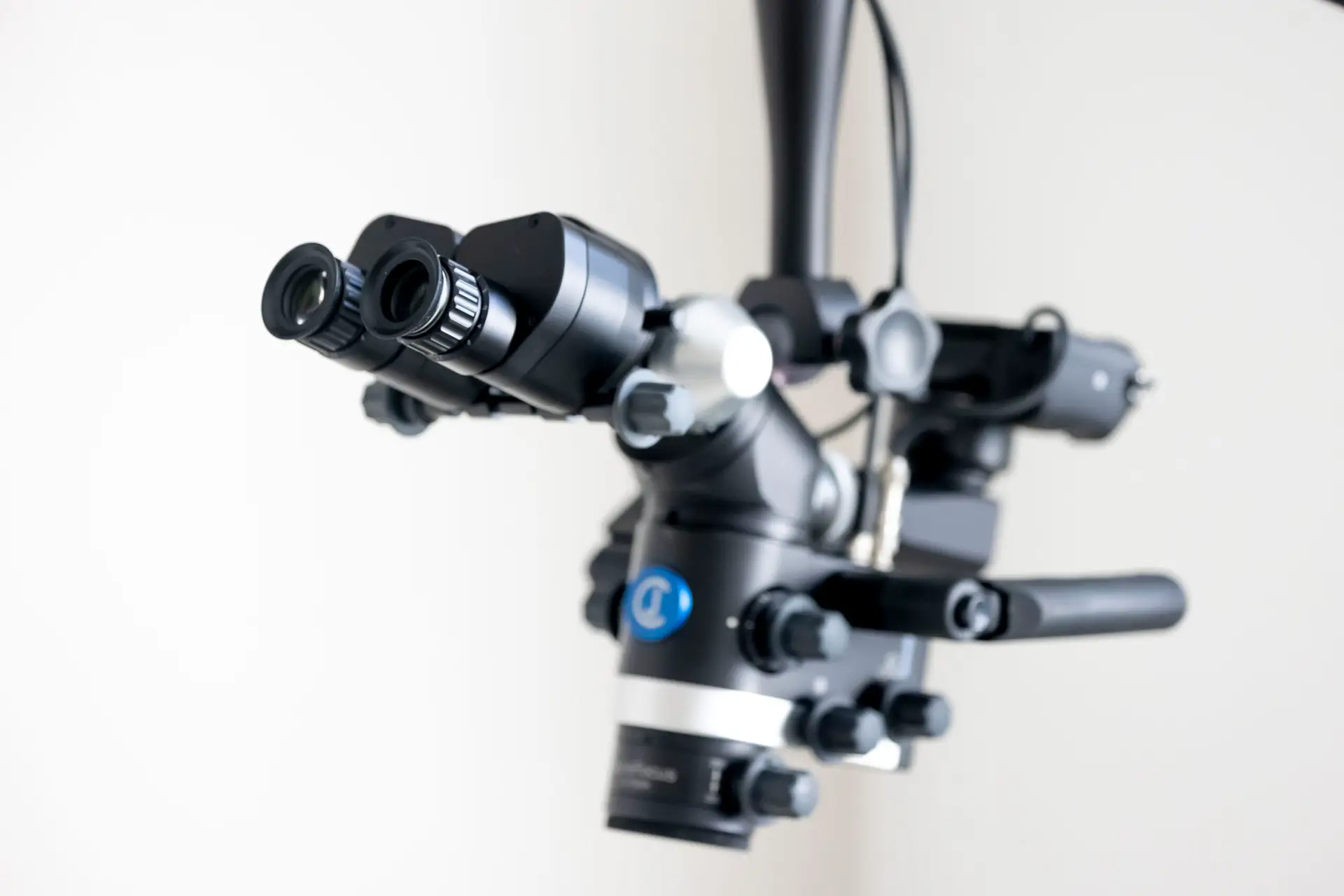
Lasers and dental microscopes play different but complementary roles in endodontics. The microscope provides the dentist with a magnified view and helps locate and precisely treat individual root canals. The laser then aids in their disinfection.
The combination of precise visual inspection, mechanical cleaning, disinfectant solutions, and laser technology enables a comprehensive approach to treatment.
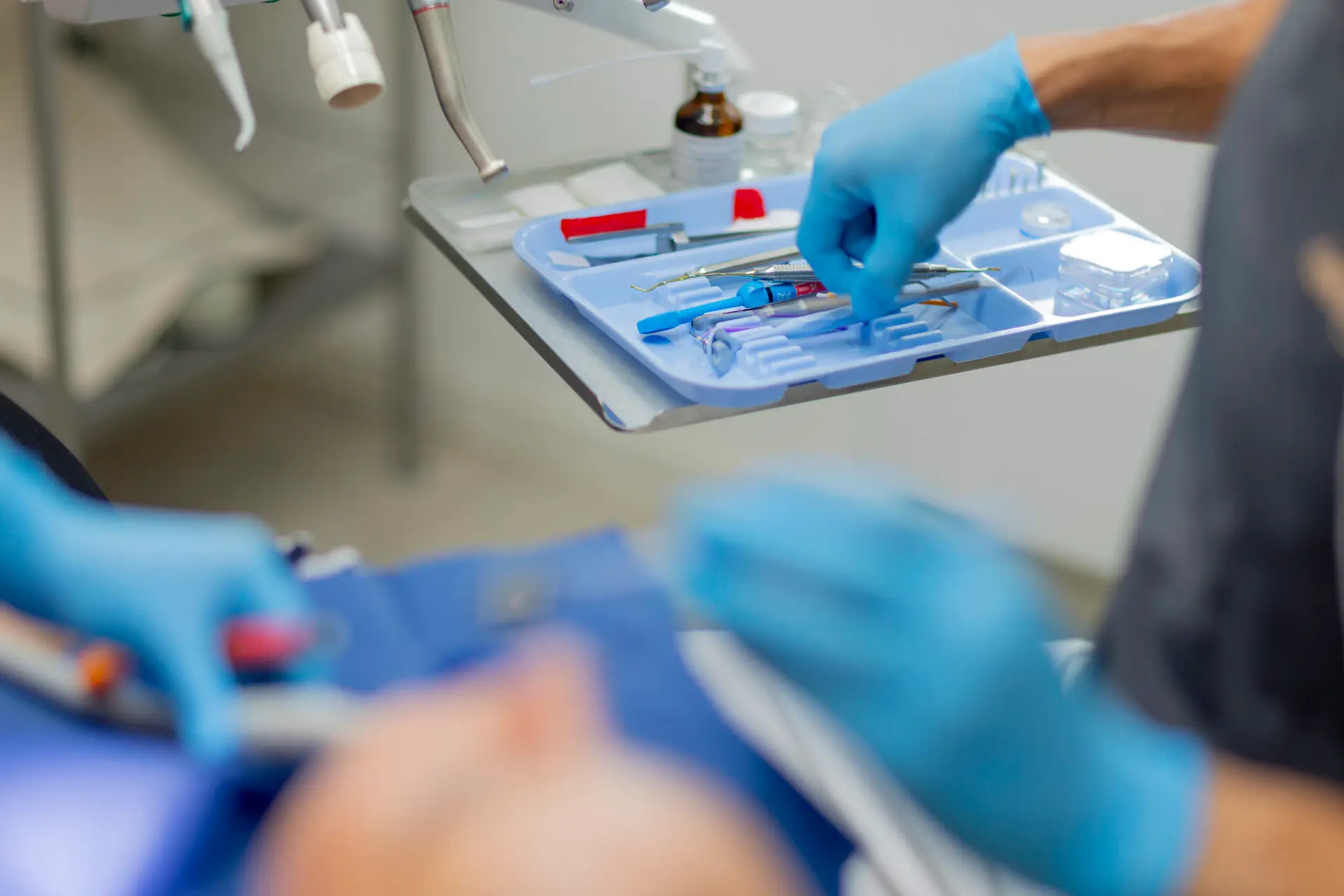
First, we examine the tooth and, if necessary, take an X-ray or 3D image. After administering a local anesthetic, the dentist opens up the root canals, mechanically shapes them, and cleans them with disinfectant solutions.
The laser is used as an additional step in the disinfection process. After cleaning, the root canals are dried, filled tightly, and the tooth is sealed with a filling or prepared for subsequent prosthetic restoration.

The procedure is performed under local anesthesia, so the patient generally feels no pain during the procedure. Once the numbing wears off, the tooth may be sensitive to pressure or biting for a few days, especially if there was significant inflammation present before the procedure.
Temporary sensitivity is usually a natural reaction of the tissues. If you experience severe or worsening pain, you should contact the clinic.
The duration of the procedure depends on the number of root canals, their anatomy, the extent of the infection, and whether it is a first-time or repeat treatment.
A simpler case can usually be treated in a single visit. More complex cases may require multiple visits. Your doctor will explain the exact treatment plan to you after the diagnosis.
If a previously treated tooth starts causing problems again or inflammation develops around its root, this does not necessarily mean it needs to be extracted. In some cases, the original root filling can be removed, and the root canals can be cleaned and disinfected again.
Laser treatment may be part of this follow-up treatment, especially in cases of persistent infection or a more complex root system.
While the anesthesia is still effective, we recommend that you refrain from eating and avoid putting unnecessary pressure on the treated tooth. If the tooth has a temporary filling, avoid hard and sticky foods until it is permanently sealed.
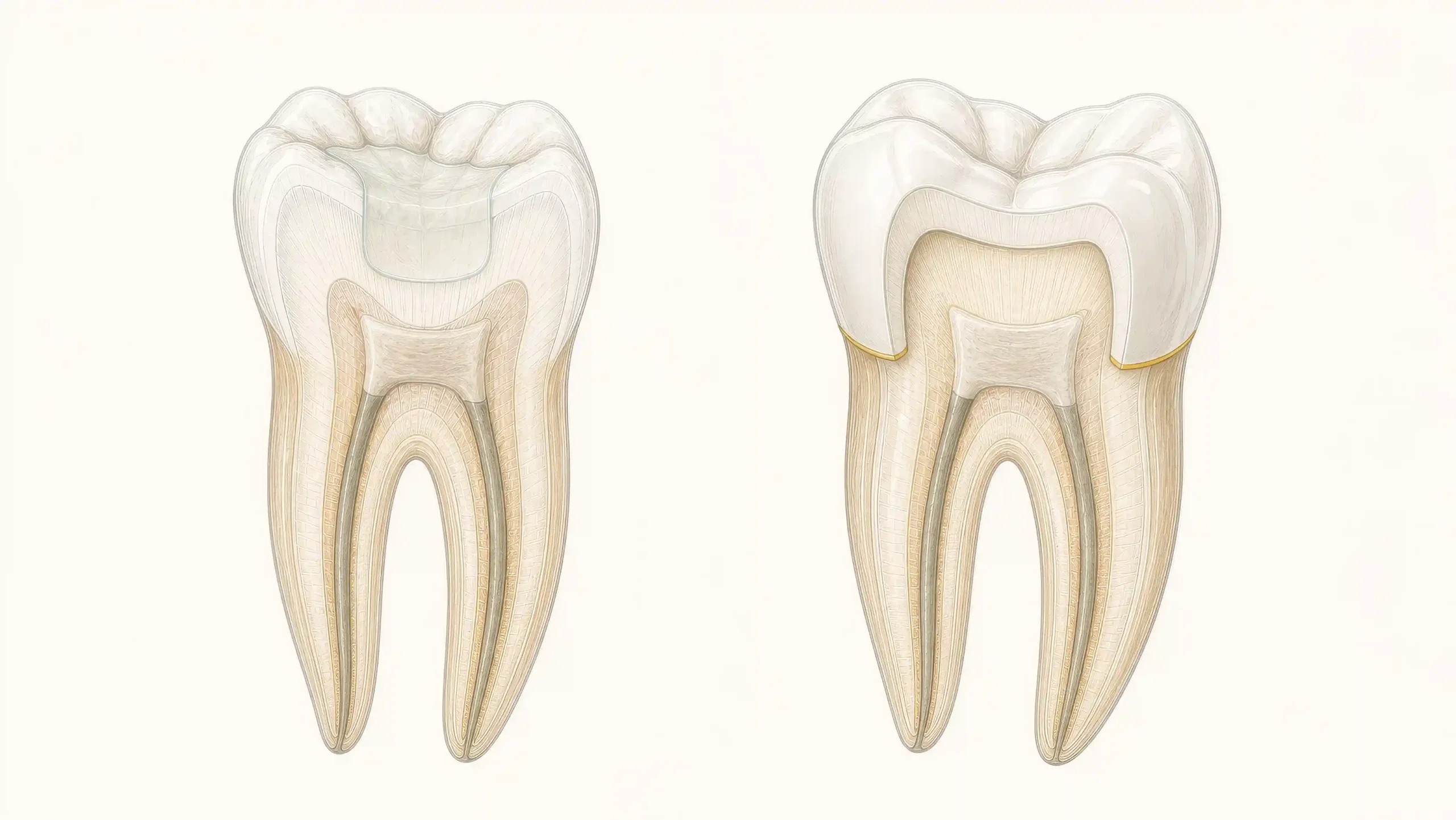
It is important to complete the entire planned treatment and attend the recommended follow-up appointments. After root canal treatment, the tooth may need a solid filling, an overlay, or a crown to protect it from fracturing.
The primary goal of root canal treatment is to preserve the natural tooth whenever medically possible. The natural tooth helps maintain the natural bite, chewing function, and stability of the surrounding teeth.
Laser treatment expands the options for disinfection, but the prognosis depends on the extent of damage to the tooth, the condition of the roots and the surrounding bone, and the quality of the subsequent reconstruction.
The price depends on the type of tooth, the number and course of the root canals, the complexity of the treatment, and whether it is a first-time root canal or a repeat procedure.
After your examination, we will prepare a clear treatment plan for you that outlines the expected scope of procedures. You can find the current prices for laser disinfection and related endodontic procedures in the Denticon price list.
Laser-assisted treatment expands the possibilities for cleaning and disinfecting root canals. Combined with precise diagnostics, mechanical preparation, disinfectant solutions, and work under a microscope, it creates a comprehensive approach to endodontic treatment. The goal is to treat the infection precisely and gently, while doing everything possible to preserve your natural tooth.
Make an appointment
Make an appointment