Autotransplantation of a Tooth

Replacing a Missing Tooth with Your Own Tooth

Autotransplantation of a Tooth

Replacing a Missing Tooth with Your Own Tooth

Autotransplantation allows a suitable natural tooth to be moved to the site of a missing or unsalvageable tooth. When properly indicated, the transplanted tooth can function naturally, bear chewing forces, and help preserve both the bone and surrounding tissues.

Autotransplantation of a Tooth

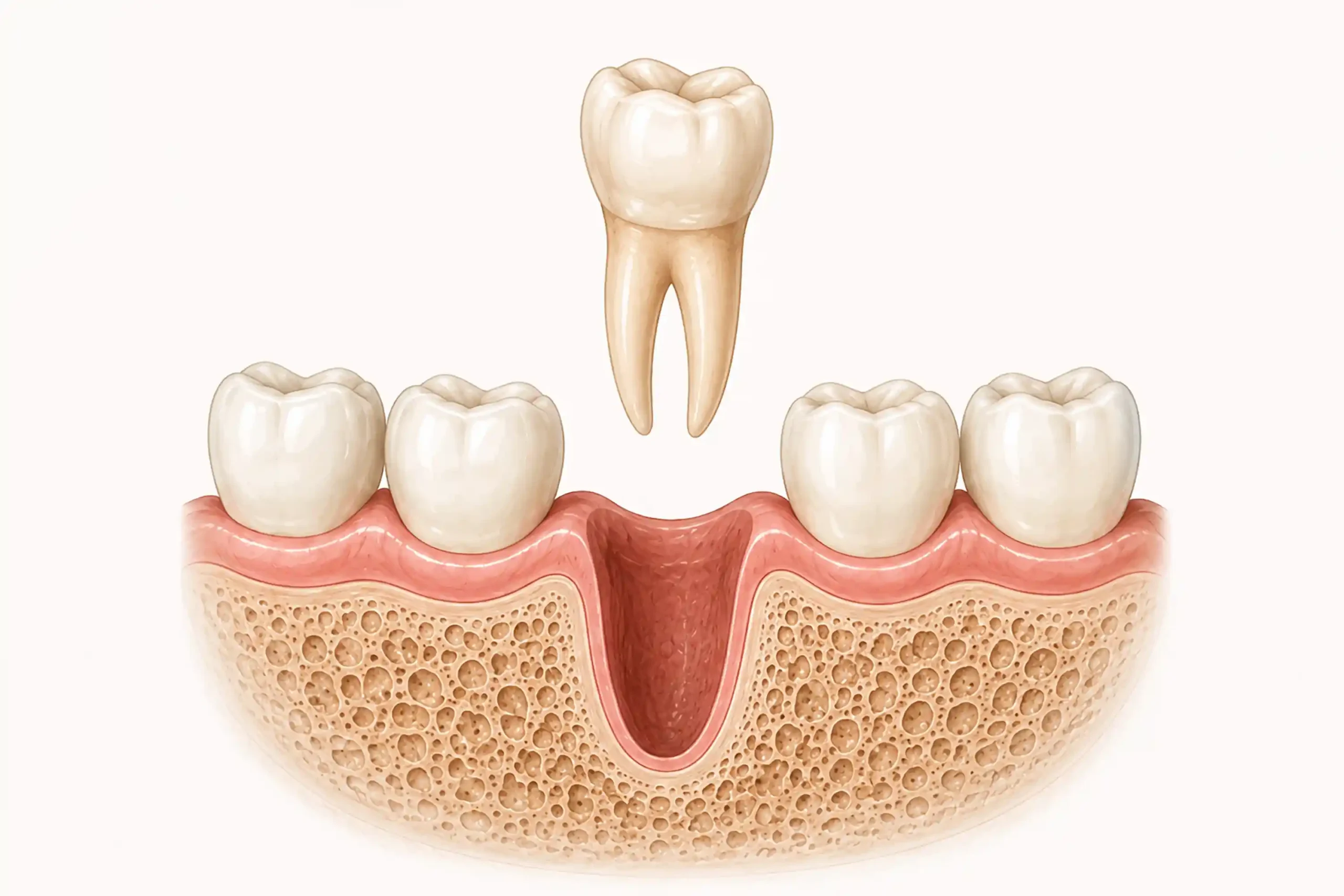
A natural tooth is being transplanted to a new location

autotransplantácia denticon v03
What Is a Tooth Autotransplant?

Autotransplantation is the surgical relocation of a patient’s own tooth from one location in the mouth to another. A tooth that the patient no longer needs at its original site is carefully extracted and placed into a prepared socket where a tooth is missing or cannot be saved.

This is neither a dental implant nor a transplant from another person. Both the donor tooth and the tooth being replaced belong to the same patient.

autotransplantácia denticon v02
Which tooth can be replaced with which one?

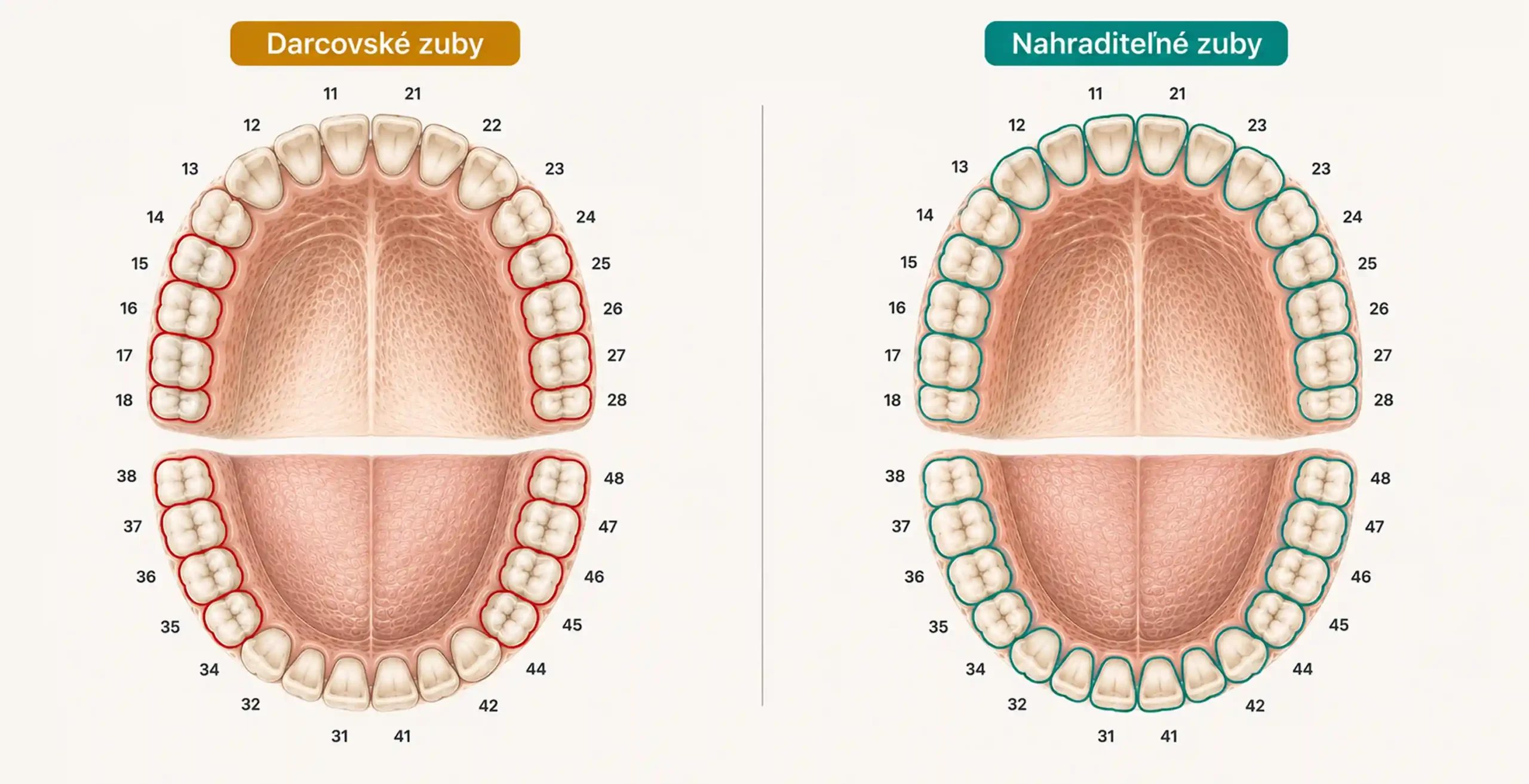
Not every tooth is suitable for replacing any other tooth. The dentist primarily evaluates the tooth’s size, the shape and condition of its roots, and the space available at the site where it is to be transplanted. For example, a suitable wisdom tooth can, in some cases, replace a missing molar. Premolars, on the other hand, can also be used to replace teeth in the front of the mouth.

The donor tooth does not have to be the same shape as the original tooth. Once healing is complete, the visible part of the tooth can be modified both aesthetically and functionally so that it blends naturally with the other teeth.

Who is a good candidate for autologous transplantation?

An autotransplant may be a suitable solution for a missing tooth or a tooth that can no longer be saved, provided the patient has another healthy tooth suitable for relocation. Suitability is determined by the tooth’s size, shape, and condition of the roots, its position, as well as the quantity and quality of bone at the transplant site.

Autotransplantation is particularly important for children and adolescents whose jaws are still growing. During the growth period, a dental implant is generally not a permanent solution, whereas a transplanted tooth can naturally integrate into the dentition and surrounding tissues.

Autotransplantation may be a suitable solution for a missing tooth or a tooth that can no longer be saved, provided the patient also has a suitable healthy donor tooth that can be relocated.

When Is an Autotransplant Considered?

Autotransplantation may be considered, for example , after the loss of a tooth due to trauma, in cases of a congenitally missing tooth, or when a damaged tooth can no longer be saved. It may also be an option in the case of a molar loss if the patient has a suitable wisdom tooth that can be moved into its place.

It makes sense to consider an autotransplantation especially when the patient has a suitable tooth of their own that is not needed in its original location and whose characteristics match those of the site it is intended to replace.

Which tooth can be transplanted?

The most commonly used donor tooth is a healthy wisdom tooth or a molar that is not needed in its original position. It must have the appropriate shape, size, position, and root condition.

It is also important to have sufficient space and bone at the site where the tooth is to be moved. Therefore, not every tooth can be used for an autotransplant.

The Benefits of Your Own Tooth

A transplanted tooth remains a biological part of the dentition. Thanks to the connective tissue on the surface of the root, it can naturally integrate with the surrounding tissues and bear chewing pressure just like other teeth.

Possible benefits include:

  • use of the patient's own tooth without an artificial implant,
  • preservation of bone and gums,
  • natural appearance and function,
  • the possibility of further orthodontic movement,
  • a suitable alternative in certain cases for young patients.
Thorough Diagnostics and 3D Planning

Before the procedure, we examine the condition of the patient’s teeth, the donor tooth, and the transplant site. Using X-rays and 3D CBCT scans, we assess the shape of the roots, the amount of bone, and the tooth’s relationship to the surrounding anatomical structures.

Digital planning helps us verify whether the donor tooth matches the new site in terms of size and shape. It also allows us to prepare for the procedure so that the tooth is out of the mouth for as short a time as possible and its surface remains as well-protected as possible.

How Is an Autologous Transplant Performed?

The procedure is performed under local anesthesia. First, the site of the missing or extracted tooth is prepared. The surgeon then carefully extracts the donor tooth and places it in the prepared site.

The tooth is positioned at the correct height and in the correct position so that it is not subjected to excessive stress during healing. If necessary, it is temporarily stabilized with a soft splint, and the surgical wound is sutured.

Tooth Healing and Stabilization

After the procedure, the transplanted tooth needs time to integrate with the surrounding tissues. During the first few days, it is important to eat soft foods, practice thorough but gentle oral hygiene, and follow all of the dentist’s recommendations.

During checkups, we monitor the stability of the tooth, the condition of the gums, and bone healing. The temporary restoration is removed depending on the progress of healing. The tooth may be fully loaded only after the dentist’s approval.

Is root canal treatment necessary?

The need for endodontic treatment depends primarily on the development of the transplanted tooth’s root. In a young tooth with an incompletely developed root, its natural development may continue under favorable conditions.

A tooth with fully developed roots often requires root canal treatment. The dentist will decide on the appropriate procedure and timing based on the specific situation and the results of checkups.

Success Rate and Lifespan of a Transplanted Tooth

Long-term results depend on the proper selection of the patient and the donor tooth, the minimally invasive nature of the surgical procedure, the time the tooth spends outside the mouth, and the subsequent healing process. Oral hygiene and regular checkups are also important.

When appropriately indicated, a transplanted tooth can function for many years. However, the outcome cannot be guaranteed, and each case has its own prognosis.

Possible Risks and Complications

As with any surgical procedure, complications can arise with autotransplantation. These include infection, damage to the root surface, root resorption, loss of tooth vitality, or inadequate osseointegration.

We minimize risks through thorough planning, minimally invasive surgical techniques, and regular post-operative follow-ups. In some cases, additional endodontic, orthodontic, or prosthetic treatment may be necessary.

Autograft or dental implant

Both solutions can replace a missing tooth, but they work differently. An implant is an artificial root inserted into the bone, while an autograft uses the patient’s own tooth.

Autotransplantation may be particularly suitable when the patient has a usable donor tooth and favorable anatomical conditions. An implant may be a better option if a suitable natural tooth is not available. We will determine the most appropriate solution following an examination and 3D diagnostic evaluation.

Cost of a tooth autotransplant

The price depends on the location of the donor tooth, the complexity of its extraction, the preparation of the new socket, and the need for additional procedures. The treatment may include 3D diagnostics, temporary fixation, follow-up visits, or root canal treatment.

We will provide you with the exact scope of treatment and a price estimate following a personal consultation and an evaluation of your X-ray or CBCT images.

Autotransplantation of a Tooth

Our specialists

MDDr. René Koudelka

Oral Surgeon

MDDr. Renátka Somošiová

Dentist

Autotransplantation of a Tooth

Autotransplantation—Your Own Tooth as a Natural Replacement

In suitable cases, an autotransplant can replace a missing tooth with the patient’s own tooth. Whether this is an option depends on the condition of the donor tooth, the amount of bone available, and thorough 3D planning. Schedule a consultation to find out if this solution is right for you.

Make an appointment

Make an appointment